Irrigation Red Flags: What Smart Homebuyers Notice First
A well-kept lawn can make a property look inviting, but its appearance does not always reveal how well the irrigation system works. Sprinklers operate underground and on programmed schedules, so leaks, blocked lines, and poorly adjusted heads can remain unnoticed until plants decline or water costs rise. For anyone buying, selling, or maintaining a home, the condition of the irrigation system can offer useful clues about upkeep and future expenses.
In Redington Beach, coastal conditions make irrigation inspections particularly worthwhile. Salt exposure, sandy soil, strong sun, and seasonal storms can place extra demands on outdoor equipment. Knowing what to look for helps buyers and sellers address problems before negotiations.
A Green Lawn Can Hide Expensive Irrigation Problems
Healthy-looking grass may suggest that the system is working properly, but it does not prove that every zone is operating efficiently. A property may have dry areas hidden by recently installed sod, while a leaking line keeps another section unusually green. An outdated controller or malfunctioning valve can also create uneven coverage without making the problem obvious during a short showing.
Look for runoff across walkways, soggy patches, unusually lush strips of grass, and inconsistent lawn color. These details may indicate overspray, leaks, or poorly calibrated zones. Ask when the system was last inspected and whether the seller has records of repairs or water usage.
What to Look for During a Yard Walkthrough
You can notice several warning signs without technical expertise. Check whether sprinkler heads are upright, unobstructed, and positioned to water the landscape rather than pavement. Tilted, buried, cracked, or missing heads may indicate damage or poor maintenance.
Look for channels in the soil, washed-out mulch, and wet areas that remain long after watering. Algae or moisture staining on walls and fences can suggest repeated overspray. Patchy grass, stressed shrubs, and plants that appear healthier on one side may point to uneven coverage.
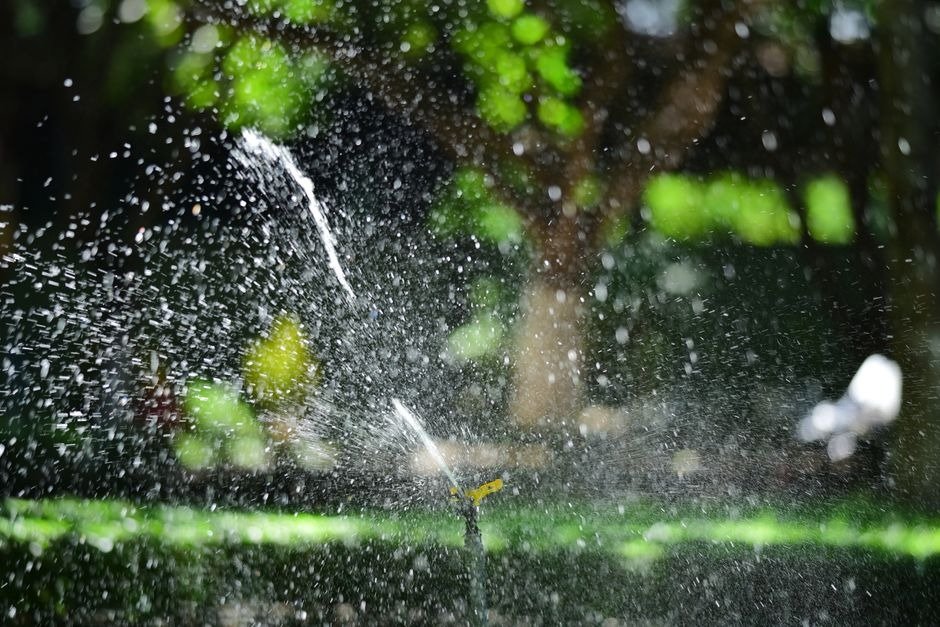
If possible, ask the seller to run each irrigation zone during the inspection. Watch for heads that fail to rise, spray in the wrong direction, leak around their bases, or produce noticeably different coverage. When a system cannot be tested, arrange a professional assessment before closing.
When evaluating a property’s irrigation system, buyers should look beyond visible damage and consider whether the entire system is functioning properly. If faulty sprinkler heads, leaking lines, or uneven coverage are discovered, arranging sprinkler repair in Redington Beach can help resolve these issues before they lead to further landscape damage or unnecessary water waste. Ask for a clear assessment of the problem, the recommended repairs, and whether other irrigation zones need attention.
Coastal Conditions Can Accelerate Wear
Outdoor irrigation equipment is exposed to weather, soil movement, landscaping work, and regular water flow. In coastal environments, salt-laden air can also contribute to corrosion on exposed metal components. Sprinkler heads near driveways and paths may be damaged by vehicles, foot traffic, or lawn equipment.
Sandy soil drains relatively quickly, which can make correct scheduling and coverage important. If the system applies water unevenly, some plants may remain stressed while other areas receive more than they need. Storms can also disturb heads, damage wiring, or affect controllers and valves.
Maintenance history matters too. Ask whether components have been replaced, zones tested, and the controller adjusted seasonally.
Irrigation Defects Can Affect Negotiations
Buyers often focus on roofs, plumbing, and heating or cooling equipment, but irrigation defects can also influence a property’s maintenance budget. A system that does not work properly may contribute to higher water use, damaged plants, and additional landscaping costs.
For sellers, visible irrigation problems can weaken the impression of a well-maintained exterior. Buyers may wonder whether other routine maintenance has also been postponed. A pre-listing inspection gives sellers an opportunity to repair obvious faults and provide documentation.
Buyers can request a zone-by-zone test and use the findings to estimate immediate repair costs. A written assessment is more useful than a general concern about the lawn.
Water Efficiency Matters to More Than Landscapers
A functioning sprinkler system should distribute water where it is needed without regularly soaking sidewalks, driveways, or streets. Poorly aimed heads, excessive pressure, leaks, and outdated schedules can waste water while leaving parts of the landscape under-watered.
The U.S. Environmental Protection Agency recommends inspecting irrigation systems for leaks and broken heads, directing spray onto the landscape, and adjusting schedules to changing conditions. Its WaterSense watering tips explain practical ways to reduce waste while keeping plants healthy.
Smart controllers can also improve scheduling. Weather-based models use local weather and landscape conditions, while soil-moisture sensors can pause watering when the ground already contains enough moisture. These features must be selected and programmed correctly.
Repairs Protect More Than the Lawn
Irrigation problems can affect surrounding surfaces and structures, not just grass and flower beds. Persistent overspray may stain paving, encourage algae, and leave walkways slippery. Leaking lines can create soft ground or erosion, while poorly directed water may repeatedly soak areas close to the house.
For rental properties, these issues can mean extra maintenance calls and complaints. Guests notice muddy paths, dying plants, and sprinklers operating at inconvenient times. Owners who are away for extended periods may not discover a leak until it has wasted substantial water.
Treat irrigation as part of the property’s infrastructure rather than a cosmetic feature. Regular checks, prompt repairs, and sensible scheduling help protect the landscape investment and reduce avoidable upkeep.
Final Thoughts Before You Buy, Sell, or Upgrade
A green lawn is only one part of a property’s exterior condition. The irrigation system behind it deserves attention because its performance affects water use, landscape health, and future maintenance costs.
Buyers should ask for a system demonstration and inspect each zone during due diligence. Sellers can arrange repairs before listing and keep records of completed work. Current owners should check heads, valves, controllers, and visible leaks regularly.
An inspection cannot reveal every hidden defect, but it can identify warning signs early. Paying attention before a transaction or major landscape upgrade helps prevent small faults from turning into expensive surprises.