
Missouri Boat-Buying Checklist: Match Your Boat to Missouri Water, Budget, and Routine
Buying a boat in Missouri starts with an honest look at where and how it will be used. From wide-open reservoir coves to moving river channels and smaller fishing lakes, local conditions can shape every decision. Comparing options through reputable boat dealers in Missouri can help buyers see how different layouts, hulls, and power setups fit their plans before they commit.
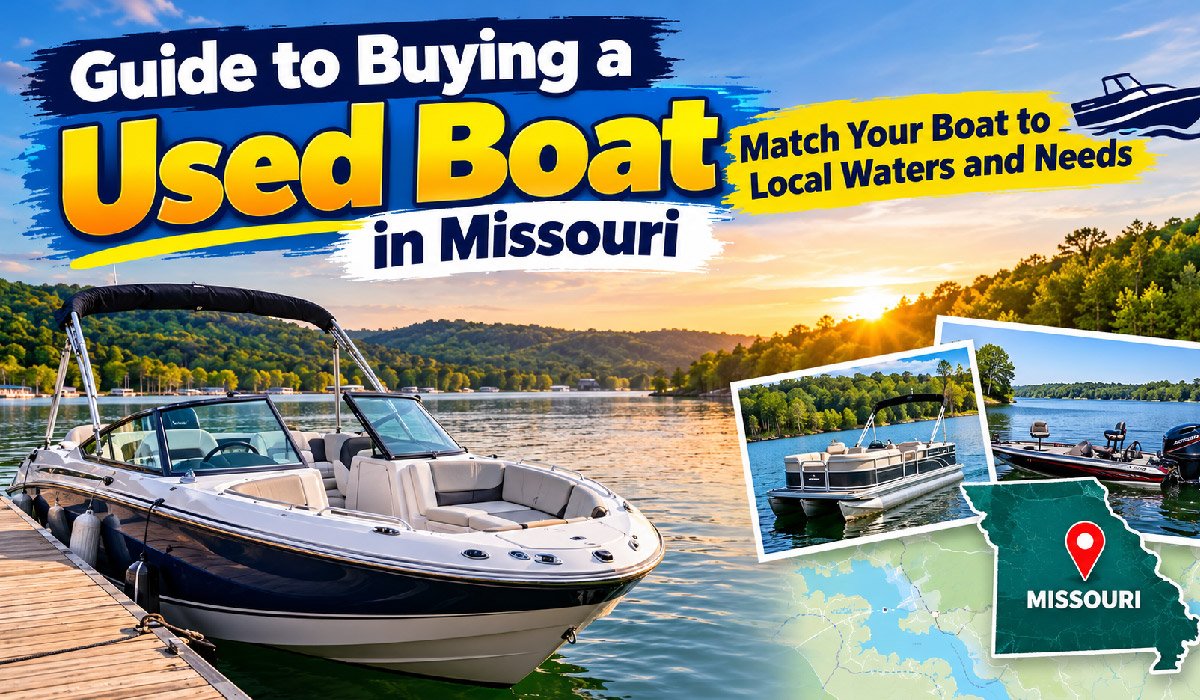
The right boat is not necessarily the biggest or fastest option on the lot. It is the one that works for the people aboard, the water you visit most often, the vehicle you use for towing, and the amount of time and money you are comfortable putting into upkeep.
Start With How You Will Use the Boat
Before comparing boat models, imagine a typical Saturday on the water. Will the boat usually be used by two anglers, a family with kids, or a group of friends? Will its primary purpose be shoreline casting, tubing, swimming, or transport? Clear answers prevent buyers from paying for rarely used features.
It also shows if a boat needs to perform multiple roles. A family seeking cruising and light watersports may prioritize seating, shade, and open access. An angler might focus on casting space, livewell capacity, trolling-motor setup, and storage. A utility boat could be best for hunting, farm-pond trips, or short outings where easy maintenance is key.
If your current vessel no longer fits your time on the water, it may be practical to sell a boat before taking on another payment, storage arrangement, or trailer. That approach can make the next purchase feel more deliberate rather than rushed.
Match the Boat to Missouri Water Conditions
Missouri boaters face diverse conditions within a season. Large reservoirs like Lake of the Ozarks, Table Rock Lake, and Truman Lake can become choppy with wind and traffic. Rivers may bring current, debris, changing depths, and narrow launches. Smaller lakes and coves often demand a lighter, simpler setup. Consider the waters you’ll frequent most—not just your vacation spot. A hull suited for calm, protected water might struggle with wakes or chop. Shallow-draft boats are good in skinny water, while V-shaped hulls handle rougher conditions better. Also, check ramp steepness, parking, dock access, fuel, and proximity to home when choosing a boat.
Questions to Ask About Local Water in Missouri
- Will the boat spend more time on Missouri reservoirs, rivers, or smaller lakes?
- How often will passengers include children, older adults, or inexperienced boaters?
- Are wakes, wind, current, or submerged obstacles likely on typical Missouri outings?
- Can the boat be launched and retrieved comfortably at the Missouri ramps you expect to use?
Compare Common Boat Types
Boat categories are useful because they reveal what each design asks you to prioritize. Rather than focusing solely on appearance, compare the layout to the activities that will fill most of your days on the water in Missouri.
- Pontoons: Often suit families and groups who value level deck space, relaxed cruising, shade, and room for food, coolers, and conversation.
- Bowriders: Often suited for day trips, swimming, tubing, and flexible seating. Check whether the seating plan still leaves enough room for the gear you carry.
- Fishing boats: Often suit buyers who need clear casting areas, organized tackle storage, and a layout tailored to the species and style of fishing they enjoy.
- Utility boats: Often suit practical transportation, hunting, property work, and simple outings where low complexity is more valuable than comfort features.
Build a Complete Ownership Budget
The purchase price is only the opening number. A realistic Missouri boat budget should include insurance, registration, and title expenses; fuel; routine engine service; trailer tires and bearings; cleaning supplies; safety equipment; storage; and unexpected repairs. Buyers who leave room for these costs are less likely to postpone important maintenance after the first season.
- Set a purchase limit that does not consume all available funds.
- Reserve money for life jackets, docking lines, anchors, fire protection, lights, and other needed equipment.
- Estimate fuel use based on likely trips, not just ideal conditions.
- Price indoor storage, outdoor storage, marina slips, or driveway space before selecting the boat length.
- Keep a repair reserve for batteries, pumps, electronics, trailer work, and wear items.
Choose Between New and Used
A new boat can offer a manufacturer’s warranty and current equipment, while a used boat can make a larger layout or more accessories attainable within the same budget. Neither choice is automatically better. The more important question is whether the boat’s condition, records, and equipment are appropriate for the price.
For used boats, ask for maintenance documentation, ownership paperwork, and details about where the vessel was stored. Look closely for soft flooring, damaged upholstery, cracked fittings, corroded wiring, water intrusion, and signs of delayed basic care. Confirm that the hull identification number and trailer information match the paperwork before money changes hands.
Inspect the Boat, Engine, and Trailer
Take time for a thorough inspection by checking the hull, deck, steering, gauges, bilge, battery, navigation lights, fuel lines, seats, storage hatches, and electronics. A marine surveyor can be wise for used boats, especially with an unclear history. Request a cold start to listen for unusual sounds, observe cooling-water discharge, and test steering and controls. Inspect the trailer thoroughly—tires, wheel bearings, brakes, lights, winch strap, bunks, coupler, safety chains. Ensure the tow vehicle is rated for the fully loaded trailer, not just the boat’s dry weight.
Plan for Safety, Registration, and Storage
Safety planning should be part of the buying process, not after the boat reaches the driveway. The Missouri State Highway Patrol provides Missouri boating laws and responsibilities for buyers to review current requirements and operating guidelines. Ensure the required equipment is on board and accessible, and familiarize yourself with the boat before carrying passengers. Before finalizing a purchase, review documented recalls and safety defects for the boat or equipment, especially for used boats, where issues may not be obvious during a quick walk-around. Decide where the boat will stay. Measure garage doors, gates, driveway turns, and storage spaces. Outdoor storage requires a suitable cover, regular cleaning, battery care, and attention to seasonal weather conditions. A convenient storage plan often influences whether a boat becomes a regular part of Missouri life or remains unused.
Final Pre-Purchase Checklist
- Does the boat fit the Missouri water you will use most often?
- Does the layout support your main activities and usual passenger count?
- Have you budgeted for ownership costs beyond the sale price?
- Can your tow vehicle safely handle the loaded trailer?
- Have the hull, engine, trailer, paperwork, and identification numbers been checked?
- Are safety equipment, storage, and maintenance plans already in place?
A careful checklist helps turn boat shopping into a practical decision. When the vessel fits your Missouri water, routine, budget, towing setup, and storage space, it is far more likely to deliver enjoyable days on Missouri lakes and rivers for years to come.
